
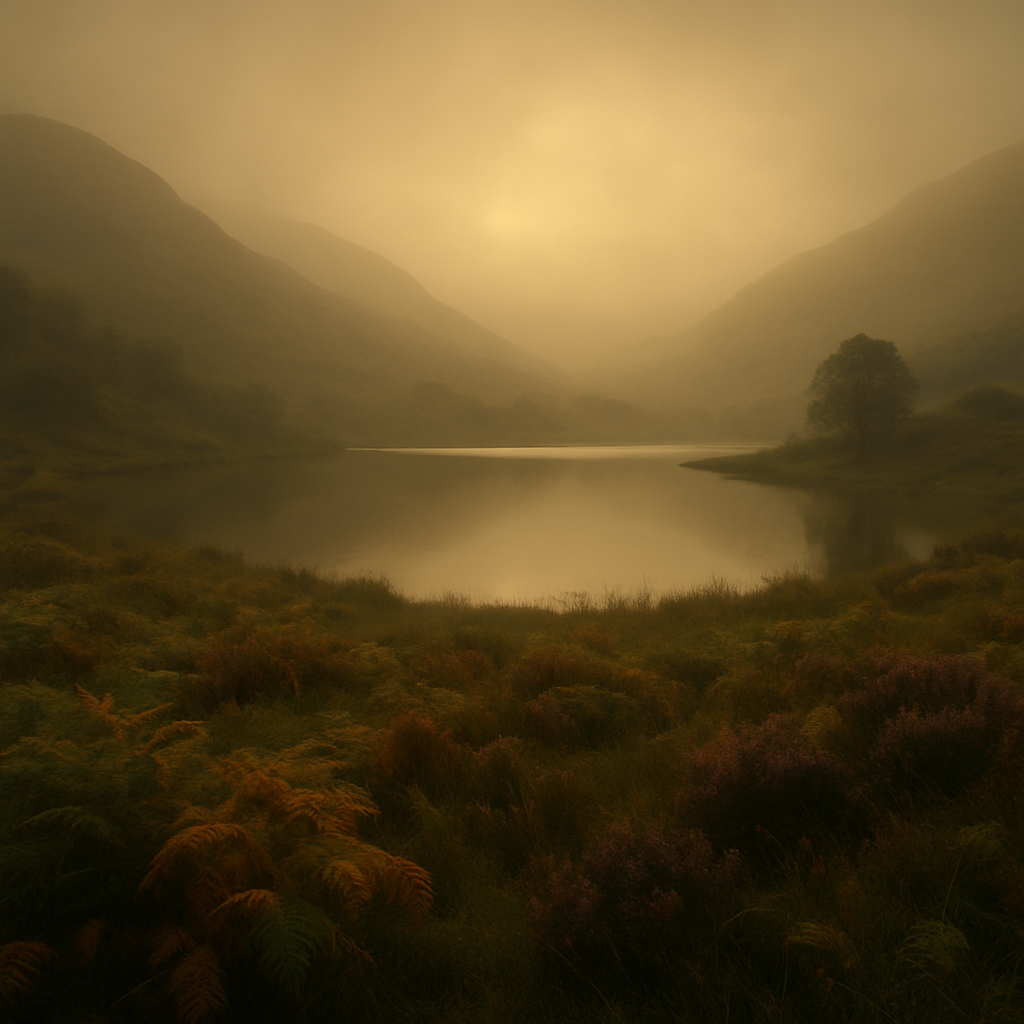
The wee midge, forecast.
Scotland's most famous tiny resident. Here's when the midges arrive, when they're at their worst, and exactly how to keep them off you — plus an estimated risk reading for St Andrews and East Fife, where (good news) they're rarely a real problem.

If there's one question Highland-bound visitors ask more than any other, it's about the midge. The Highland biting midge (Culicoides impunctatus) is barely a couple of millimetres across, but in the right conditions it gathers in clouds that can genuinely spoil a still summer evening.
Here's the reassuring part for anyone staying with us: St Andrews and the East Fife coast are among the least midge-affected places in Scotland. The sea breezes that keep the West Sands fresh also keep the midges grounded. It's when you head west — to the Trossachs, Glencoe, the lochs and the Highlands — that you'll want to be prepared.
When the midges arrive
The Scottish midge season runs from roughly late May to September, peaking in the height of summer. Here's how it unfolds.
The first generation hatches as soil temperatures rise. Numbers are low and mostly inland — the coast is barely touched.
The second, larger generation begins. Sheltered, damp glens get noticeably busier at dawn and dusk.
The worst of it, especially on the west coast and Highlands. Still, humid, overcast evenings are prime biting conditions.
Cooler nights and the first frosts thin them out fast. By October they're effectively gone for the year.
How to keep them away
Four things make almost all the difference. Get these right and the midges become a footnote, not a memory.
Follow the wind
Midges can't fly in a breeze above about 7mph. Open beaches like the West Sands, clifftops and exposed ground are your friend — which is exactly why coastal St Andrews is rarely troubled.
Use a proper repellent
Smidge (the Scottish favourite, with Saltidin/picaridin) or a DEET-based spray both work well. Avon Skin So Soft is the cult local hack. Carry one from June to September.
Cover up & go light
Long sleeves and trousers at dusk. Midges are drawn to dark colours and carbon dioxide, so lighter clothing helps. A head net is cheap insurance for serious inland walks.
Time it right
They're worst at dawn and dusk and on still, overcast days. Plan walks and outdoor meals for the middle of a bright, breezy day and you'll barely notice them.
We'll get you there midge-ready
If you're taking a day trip or tour west into the Trossachs, Glencoe or the Highlands in midge season, just ask your driver — we keep repellent in the vehicle and we'll always have the local lowdown on where and when they're biting.